24/7 emergency water response, every day of the yearIndependent licensed & insured pros · Call +1-877-637-9008
24/7 Emergency Dispatch

Structural Drying in Cleveland, TX

Wet drywall and subfloor can look dry within a day while the framing behind it still holds enough moisture to grow mold. Call Water Heater Repairer and we route you to an independent drying contractor in Cleveland who measures, maps and logs moisture until the structure reaches its drying goal.

  • Licensed & insured independent pros
  • Daily moisture readings and drying logs
  • LGR and desiccant dehumidification
Licensed Structural Drying service in Cleveland, TX - Water Heater Repairer
Dry gets measured, not guessed. The target comes from a dry standard read in an untouched part of the home.
Why Call Us

Why Choose Our Specialized Structural Drying in Cleveland, TX

Proper drying is applied psychrometrics, and it has little in common with leaving fans running for a weekend.

Licensed & Insured Drying Pros

Calls go to independent local drying contractors who carry their own license and insurance. Many are IICRC-trained in the S500 water standard, so ask for credentials when they arrive.

Fast Local Equipment Dispatch

Water keeps wicking up drywall by the hour, so we look for crews with drying gear already on the truck. Many arrive within the hour, though that depends on distance and storm volume.

Upfront Written Drying Scope

You get the drying scope, the number of units and how they bill in writing before setup starts. That written scope heads off disputes over equipment days later.

Meters, Imaging & Data Loggers

The basic toolkit is pin and pinless meters, a thermo-hygrometer and a thermal camera. Those tools turn a guess into a dated moisture map.

A familiar call goes like this: the leak got fixed, the floor feels fine, and yet the room smells musty a week later. The answer is usually trapped moisture in bottom plates, wall cavities and the subfloor under the pad. That is exactly what a structural drying contractor is there to find and remove.

We also hear from people worried about the noise and the power bill. Most setups run a handful of air movers and a dehumidifier or two nonstop, so a good contractor checks which circuits can carry the load. A few days of proper drying is cheap next to replacing cupped floors, delaminated cabinet boxes or mold-stained walls.

What Gets Dried

Drying Services We Connect in Cleveland

Each job starts with a moisture map and ends when every reading hits its goal.

Moisture Mapping & Drying Goals

First, the pro reads a dry standard off unaffected materials elsewhere in the house. That figure, near the material's equilibrium moisture content, sets the goal each wet spot has to hit.

  • Pin and pinless meter readings
  • Marked map of wet boundaries

Dehumidification Setup

LGR dehumidifiers pull water out of warm, damp air down to low grains per pound. In cold basements or with hardwood and plaster, a desiccant unit keeps drying where refrigerant coils fall off.

  • Sized to the Class 1–4 evaporation load
  • GPP and dew point checked daily

Air Movement Placement

Axial air movers push large volumes across open floors, while centrifugal units drive focused air along walls and into toe kicks. Placement follows the wet map, not a guess.

  • Angled to sweep wet wall bases
  • Repositioned as areas dry out

Wall-Cavity Injection Drying

Rather than cutting walls open, many pros remove the baseboard and drill small holes behind where it sat. An injection system pushes dry air through hoses into each stud bay, and the trim hides the holes afterward.

  • Less demolition when water is clean
  • Insulated cavities may still need opening

Hardwood Floor Drying

Hardwood cups when the undersides take on water and swell ahead of the surface. Drying mats or panels sealed to the floor pull moisture up through the boards under negative pressure.

  • Readings taken against a dry board
  • Aims to save the floor before sanding

Open & Closed Drying Chambers

A closed chamber uses poly sheeting to box in the wet zone, so the dehumidifier treats less air. It dries faster and keeps the noise and electrical load out of the rooms you are living in.

  • Containment with zip walls or poly
  • Open setups for whole-floor losses
How It Works

Four Steps From Call to Dry

This is how a well-run drying job moves from day one to sign-off.

  1. 1

    Call Dispatch

    Tell us where the water came from, how long it sat and which rooms are affected. Those answers tell us whether you need drying only or extraction first, and we route the right contractor.

  2. 2

    Rapid Mobile Arrival

    The pro shows up carrying meters, a thermal imager and a starting set of dehumidifiers and fans. Thermal imaging traces how far water has wicked up walls before anything gets moved.

  3. 3

    Expert Assessment & Quote

    You get a written scope: evaporation class, drying goals, equipment count, expected days and how billing works. Nothing runs until you approve it.

  4. 4

    Resolution & Sign-Off

    The contractor returns daily to log readings, adjust equipment and pull units as areas reach goal. You keep the final dated drying log for your adjuster and records.

Why Fans for a Few Days Falls Short

Fans alone move wet air around the room without removing the water from it. Once relative humidity climbs, evaporation slows and the drywall stops giving up moisture. If nobody is controlling grains per pound, the studs and subfloor can sit wet for weeks.

Evaporation classWhat it usually means
Class 1Limited wetting, low-porosity materials
Class 2Whole room, carpet and pad wet, wicking under two feet
Class 3Overhead water that soaked ceilings, insulation and walls
Class 4Dense materials like hardwood, plaster or concrete holding bound water
Dispatcher tip: When an adjuster disputes how long equipment ran, point to the daily drying log. Dated readings showing materials moving toward the dry standard justify every day the units stayed on.
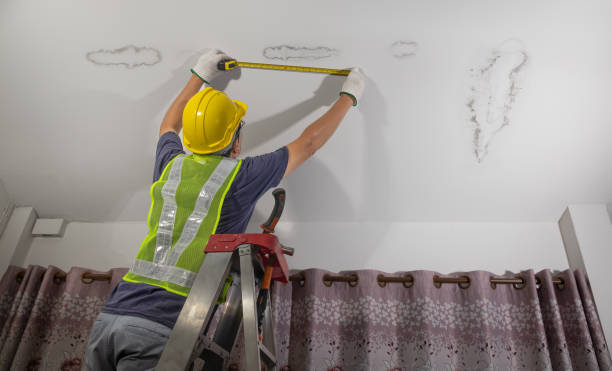
Professional Structural Drying technician working in Cleveland, TX

Floor Still Wet Under the Pad?

Get a structural drying contractor in Cleveland metering it today.

Call +1-877-637-9008
Real Calls

Stories From Callers in Cleveland

Our dishwasher leaked overnight and the kitchen floor looked fine by lunch. The pro compared the oak to a dry board in the hall, found it far too wet, and sealed drying panels over it. It ran five days, and the boards stayed flat.

Renee T.Homeowner, ClevelandHardwood floor drying

My adjuster wanted to cut two equipment days off the bill. I forwarded the daily drying log with readings for each wall, and the claim went through as written. Having those numbers made the conversation short.

Marcus D.Homeowner, ClevelandInsurance drying log

A supply line burst in our office on a Friday and soaked three rooms. Instead of tearing out walls, the crew pulled baseboards and fed dry air into the cavities through small holes. They built a closed chamber, so we kept working in the front.

Priya S.Office manager, ClevelandWall-cavity drying

The water heater failed in our basement and we just ran box fans for a week. It still smelled, so we called and the contractor put a thermal camera on the walls. Water had wicked up behind the paneling almost two feet. A desiccant unit and a few days of readings finally got it dry.

Glen W.Homeowner, ClevelandBasement wicking
FAQ

Common Questions About Drying

How long does structural drying usually take?

A typical Class 2 job hits goal in about three to five days. Hardwood, plaster and concrete can take longer because water is bound deeper in the material. The moisture readings decide when units get pulled, not a set number of days.

How does the contractor know when my walls are actually dry?

Each wet wall is measured against a dry standard read from untouched drywall elsewhere in the house. When the wet readings match that baseline, the area has reached its goal.

Do my walls have to be cut open to dry?

Not always. With clean water and uninsulated cavities, injection drying through small holes behind the baseboard can save the drywall. Soaked insulation, dirty water or visible mold generally calls for cutting the wall.

Why are the dehumidifiers and air movers so loud, and can I turn them off at night?

Turning them off lets humidity climb and restarts the clock on mold growth. A closed chamber can keep the noise and electrical load inside the wet rooms, so ask about one.

What is the difference between an LGR and a desiccant dehumidifier?

LGR dehumidifiers run on chilled coils and shine in normal room temperatures. A desiccant unit pulls moisture with an absorbent wheel and keeps drying in cold basements or on dense materials.

Will drying stop my hardwood floor from cupping?

Fast drying gives the boards the best chance to settle back flat. Slight cupping often eases as moisture evens out, which is why pros advise waiting before sanding.

24/7 Emergency Structural Drying experts in Cleveland, TX
Service Area

Drying Help Across Cleveland

We route drying contractors to homes and businesses across Cleveland and nearby suburbs, including 77327 77328. Downtown condo or edge-of-town split-level, the method does not change: meter it, map it, dry it and log it.

Older Houses

Plaster and old hardwood soak deep and often call for desiccant units.

Offices & Units

Water moves through shared walls, so mapping often covers the unit next door too.

Outlying Suburbs

Finished basements and slab homes outside Cleveland get the same metered approach.

Supply line, water heater, upstairs tub: whatever the source, earlier calls mean less wicking. Every hour of delay lets water climb higher into drywall and deeper into framing.

Call +1-877-637-9008
Reliable Structural Drying contractor in Cleveland, TX by Water Heater Repairer

Our Services in Cleveland, TX

Call +1-877-637-9008
🟢 Techs On Duty in Cleveland, TX Call +1-877-637-9008